
Table of Contents
Article Summary
In this article you will discover the best toys for 11-month-olds. Which are designed to encourage physical, cognitive, and sensory development. This guide highlights age-appropriate milestones, top traditional and Montessori-inspired toys, and their benefits. You also get some tips for choosing the perfect toys for your baby. Learn how these toys can support your baby’s natural curiosity and growth.
Introduction
At Best Toys for 11-Month-Olds, your baby is going through a super exciting time! They’re getting more curious every day and learning new things all the time. It’s a phase full of growth and discovery. Through playtime children experience positive development at a crucial phase of their life cycle selecting appropriate toys for 11-month-olds makes learning opportunities that foster infant motor development and problem-solving together with creative talents.
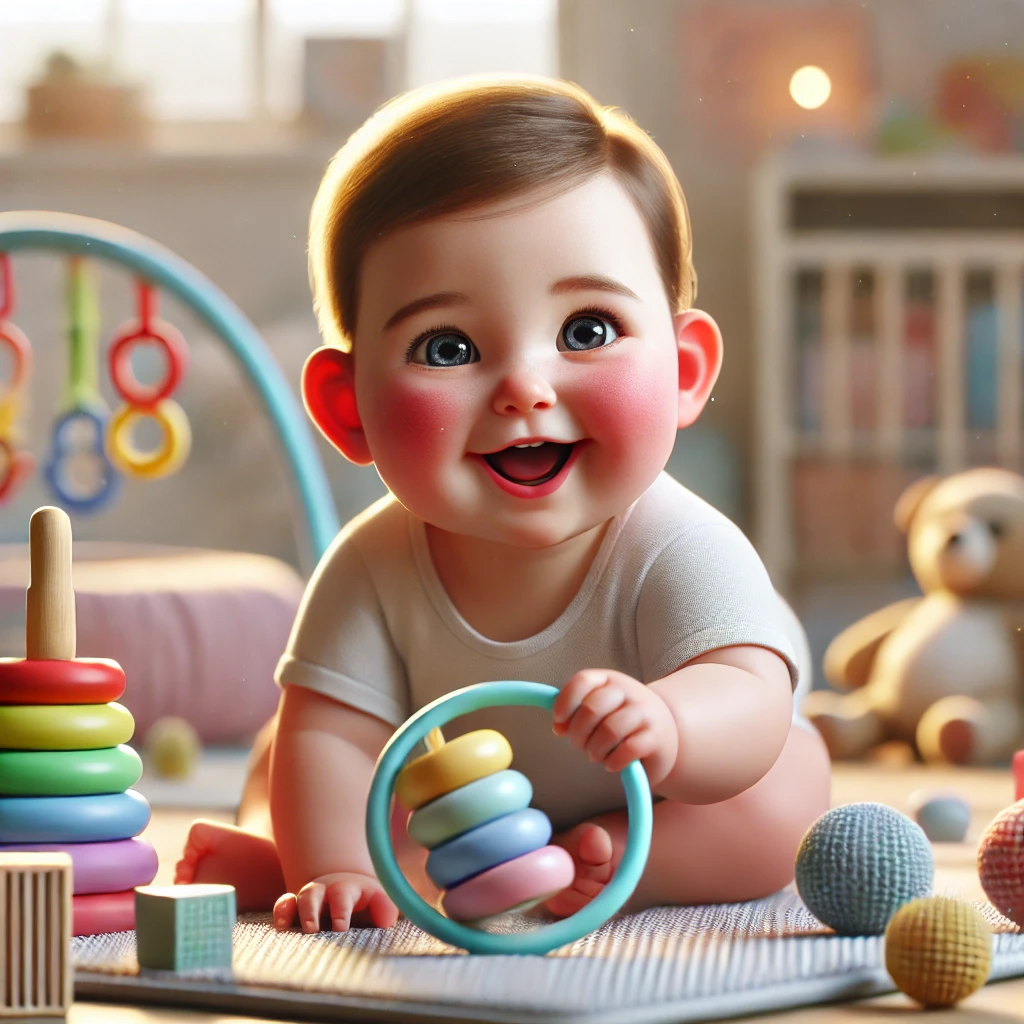
This guide explores Best Toys for 11-Month-Olds and demonstrates their capacity to address developmental requirements of your baby.The guide focuses on educational toys which help children develop during this important phase of their lives. Let’s dive in and discover how the perfect toys can turn every moment into an opportunity to learn, grow, and thrive.


Age Milestones of an 11-Month-Old Baby
During their eleventh month babies go through a fast-developing phase. Young children acquire vital physical and mental skills which provide a basis for future abilities. Dr. Jane Smith (a pediatrician specializing in early childhood development) says:babies at this age are beginning to show greater mobility, cognitive awareness, and an increasing ability to communicate.
Let’s break down the key milestones:
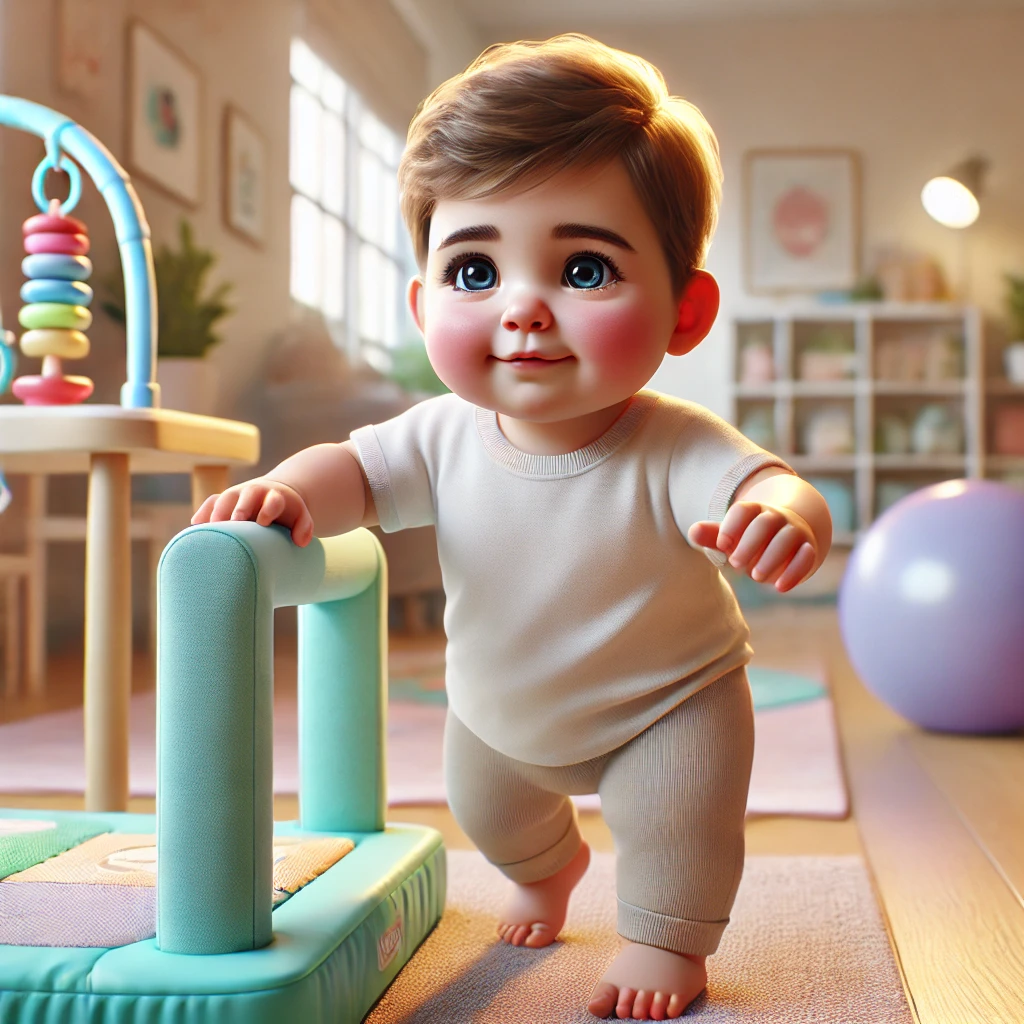
- Gross Motor Skills: At this age most infants crawl with confidence and manage to stand up unsupervised. They may even take a few unconfirmed steps. Pediatric experts note that this is a crucial phase for developing balance, strength, and coordination. This will prepare them for walking in the coming months. Dr. Smith emphasizes the importance of encouraging movement through play, as this helps babies strengthen their muscles and improve their coordination.
- Fine Motor Skills: The 11-month-old’s hand-eye coordination is becoming more refined. Babies at this age are able to grasp objects with increasing correctness and transfer items from hand to hand. They also begin to experiment with stacking and manipulating objects.Child development studies by the American Academy of Pediatrics highlight the importance of fine motor skills. These skills are crucial for tasks like feeding and holding a crayon, which will develop in the coming months. Encouraging play with toys that involve holding, sorting, or stacking supports the development of these skills.
- Cognitive Development: Around 11 months, babies are developing an understanding of cause and effect. They may drop a toy just to watch it fall or enjoy the repetitive action of turning a knob to make a sound. During this phase, the baby focuses on the natural blend of discovery and inquisitive learning behavior.Child psychologists suggest that babies are learning how objects relate to one another, with their curiosity driving them to test simple cause-and-effect scenarios. In this stage babies begin to recognize familiar people and objects and may even imitate the actions of others, a sign of the developing ability to understand and copy your behavior.
- Fun Fact: Did you know? Babies as young as 11 months are able to copy actions and follow simple commands. A study from the National Institute of Child Health and Human Development (NICHD) shows that babies at this age are actively watching and learning from the adults and environment around them. This is an excellent time to engage in interactive play. Where they can mimic your actions, such as clapping hands or waving goodbye!
Top Best Toys for 11-Month-Olds
When selecting Best Toys for 11-Month-Olds. It’s essential to focus on options that align with their developmental needs.
Here are some great choices:
Traditional Toys
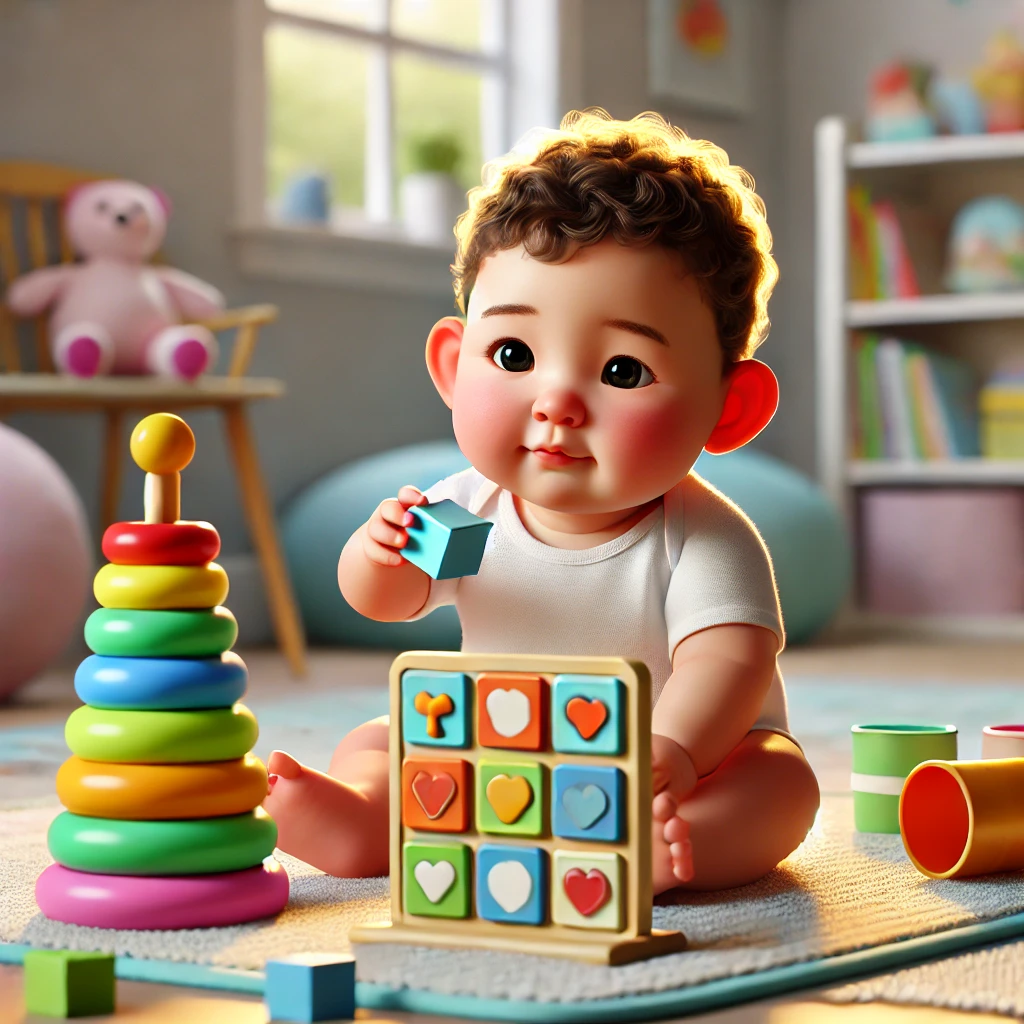
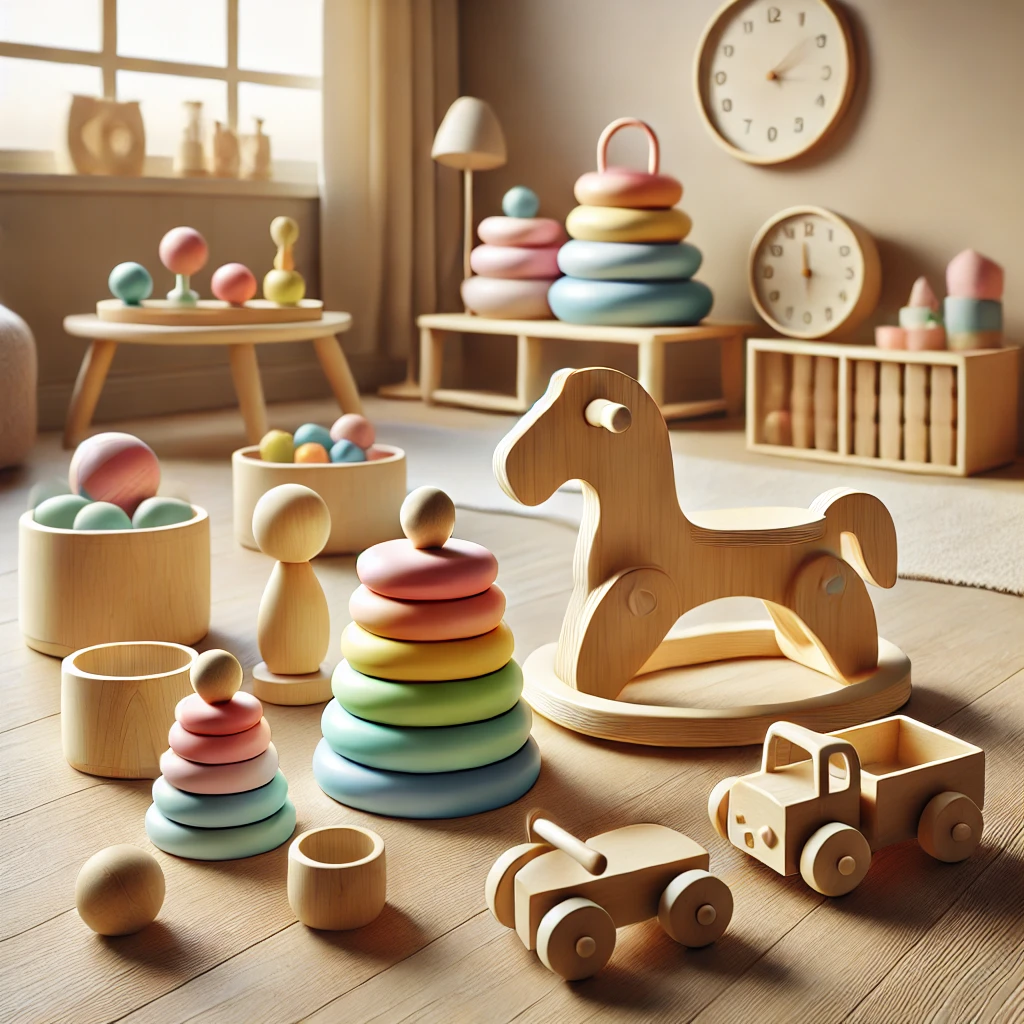
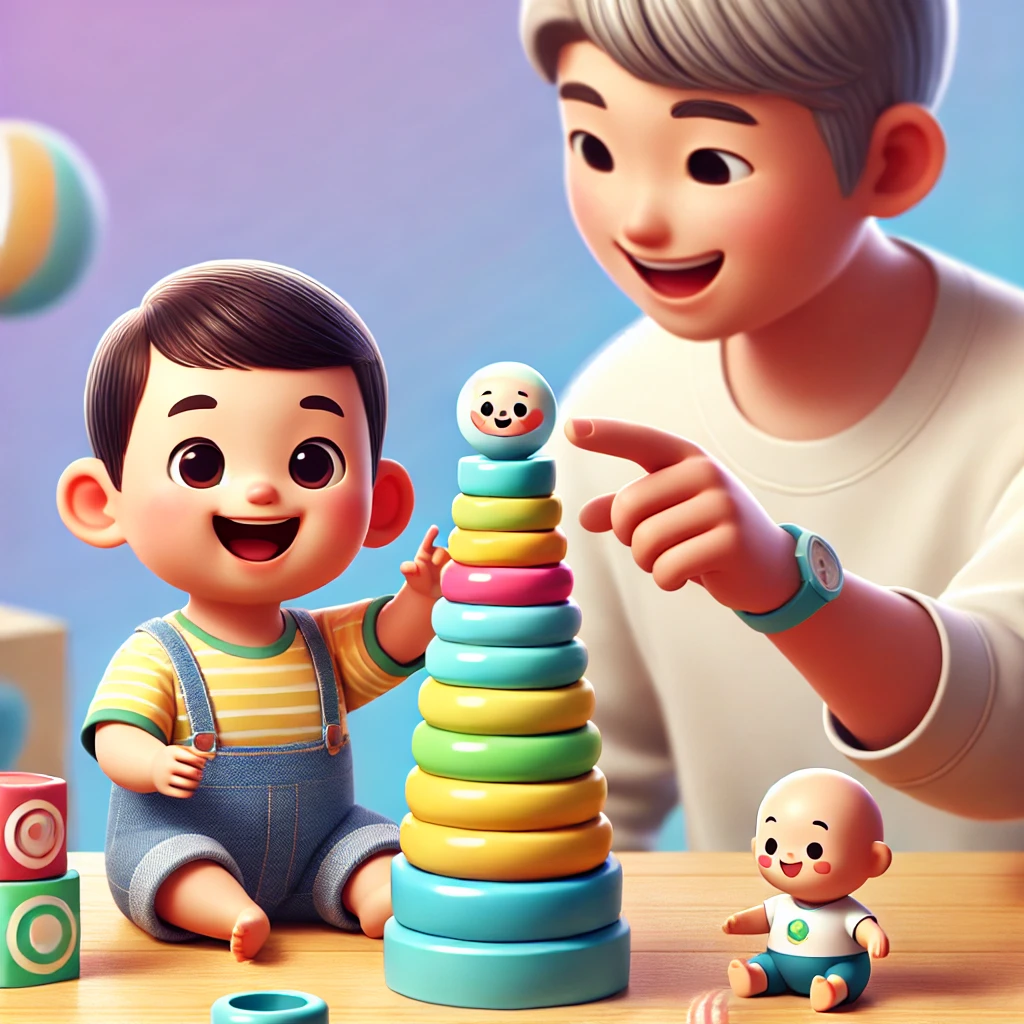
- Stacking Rings: These classic toys teach balance, size differentiation, and hand-eye coordination.
- Shape Sorters:Provide your baby opportunities to learn about shapes while solving problems.
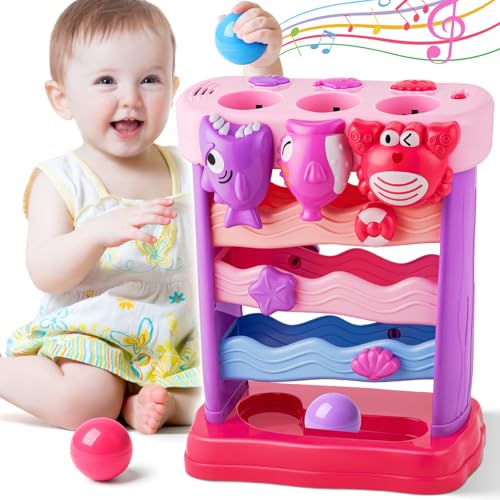
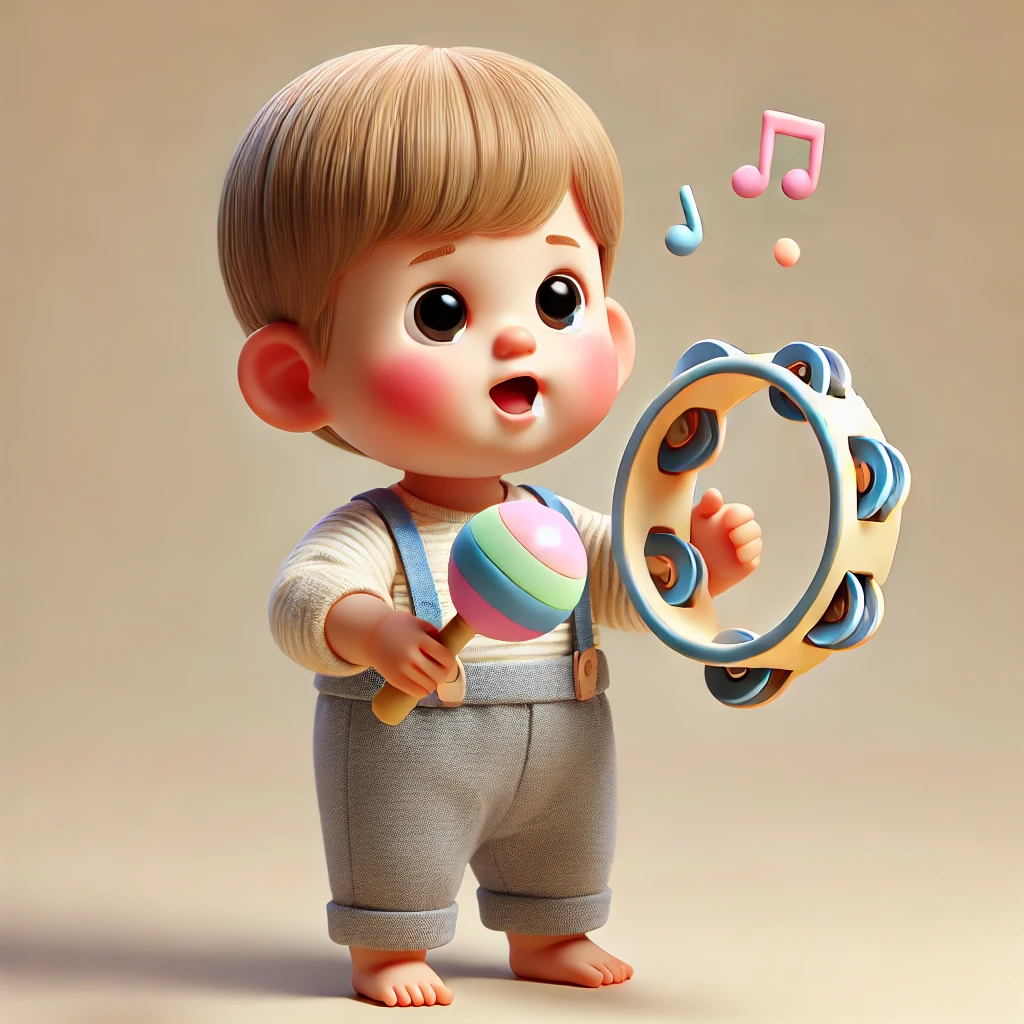
- Musical Instruments: Simple instruments like tambourines or maracas introduce rhythm and auditory stimulation.


Montessori Toys
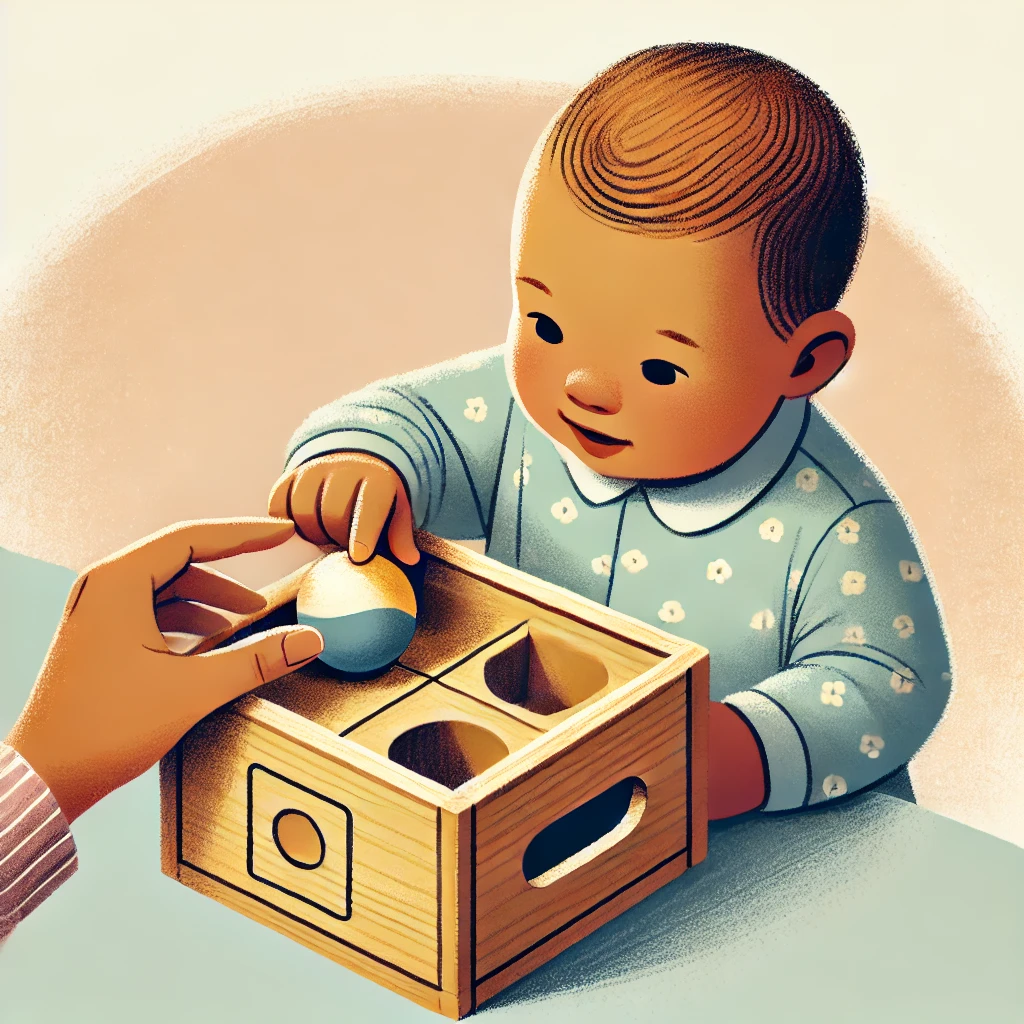
- Object Permanence Box: This wooden educational toy enables babies to learn about the concept of invisible existence of objects. It’s excellent for problem-solving and hand-eye coordination.
- Nesting Cups: These toys encourage dimensional awareness because your baby learns to stack and fit cups together.
- Pull-Along Toys: Children can achieve their walking milestones better when using these toys, which help them develop coordination and independence.
Why Montessori Toys Stand Out
Unlike many traditional toys, Montessori options are simple, durable, and designed to promote learning. These toys help your baby focus and explore without overstimulation. Their easy usability makes them perfect tools for building confidence and independence in users.
For more detail visit Montessori Toys by Age: 10 Powerful Picks for Smart Play
Recommended Best Toys for 11-Month-Olds
Here are a few highly recommended Montessori-inspired toys:
- Nesting Cups:
- Features: Bright, durable cups that fit inside each other.
- Benefits: The activity helps children learn dimensional analysis . These toys improve their stacking methodology and their eye-hand coordination skills.
- Object Permanence Box:
- Features: A wooden box with a small ball and tray.
- Benefits: Teaches cause-and-effect relationships and builds problem-solving skills.
- Pull-Along Wooden Animals:
- Features: Sturdy wooden designs with wheels and a string.
- Benefits: Encourages walking and coordination, while making movement fun.
The Benefits of Recommended Toys for 11-Month-Olds
Best Toys for 11-Month-Olds are not just fun—they’re powerful tools for supporting growth. Let’s explore how the right toys can enhance key developmental areas:
Improved Fine Motor Skills:
- Example: Stacking rings or nesting cups require babies to grasp, hold, and manipulate small objects. They improve their hand-eye coordination. Research from the Journal of Early Childhood Development found that stacking toys help babies practice exactness and build their fine motor skills. These activities encourage your baby to use their fingers and hands in ways that will later support tasks like drawing or self-feeding.
Sensory Engagement:
- Example: Musical instruments, like tambourines or maracas, are fantastic for sensory development. When babies shake these toys, they’re not just creating sound—they’re learning about cause and effect. A study from the University of California found that musical play enhances auditory processing and helps babies learn to distinguish different sounds, which is essential for language development.
Cognitive Development:
- Example: Toys that challenge babies to problem-solve, like object permanence boxes, encourage critical thinking. A study published in the journal Developmental Science found that when babies manipulate objects and understand cause-and-effect relationships, they are enhancing their cognitive skills. For example, when your baby places a ball into the object permanence box and he watches it reappear. With this they learn basic concepts of object permanence and memory retention.
Independence and Focus:
- Example: Montessori-inspired toys like puzzles or pull-along toys promote independent play. These toys encourage babies to focus on a single task, which strengthens their ability to concentrate. One parent shared, “My daughter spent 15 minutes figuring out how the pieces of her puzzle fit together. I could see her focusing and thinking critically,” demonstrating how such toys foster independence.
Emotional Satisfaction:
- Example: As babies master toys, they experience a sense of accomplishment. This boosts their self-esteem and emotional well-being. Research shows that when children successfully complete tasks, such as stacking cups or solving a puzzle, they feel a sense of achievement. This contributes positively to their emotional growth.
Testimonials from Parents
- Samantha L., Mother of Leo (11 months): “I can’t believe how much my little one loves his nesting cups! He’s been obsessed with stacking them for weeks now. It’s incredible to see how much his coordination has improved. He can now stack three cups on top of each other, which feels like a huge milestone. Every time he does it, you can see the pride on his face. It’s so exciting to watch him grow, and I love that these cups have helped his fine motor skills while also keeping him entertained for a long time.”
- David and Emma R., Parents of Mia (11 months): “We started using the object permanence box about a month ago, and it’s been a game-changer! Mia loved dropping the ball in and seeing it come out. We’ve noticed she’s been more engaged in problem-solving activities, and it’s clear that her cognitive skills are growing. She’s also started to imitate actions more, like clapping her hands when we do it. It’s amazing to see how these simple toys help her focus and learn at such an early age!”
- Jessica P., Mother of Jack (11 months): “Jack loves his little tambourine! It’s adorable to watch him shake it and giggle when it makes a sound. I didn’t realize how much it would impact his auditory development until I started noticing that he’s been reacting more to different sounds around him. It’s definitely boosted his sensory engagement. Plus, I love that it’s small enough for him to hold and explore on his own. I can’t wait to see what other musical toys we can introduce next!”
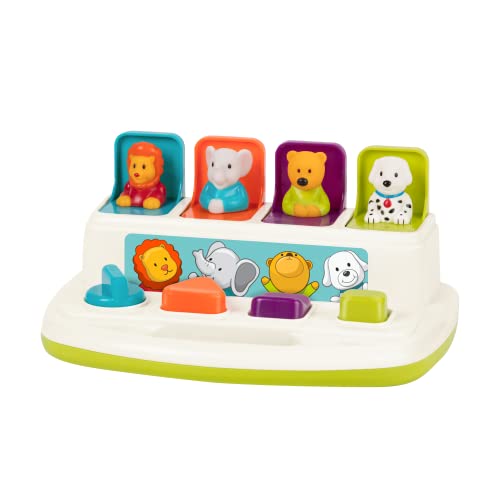
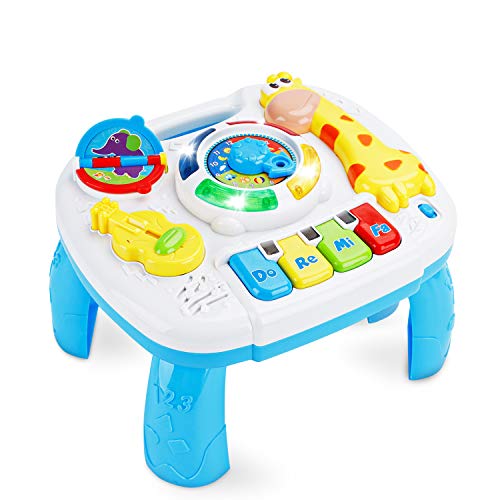
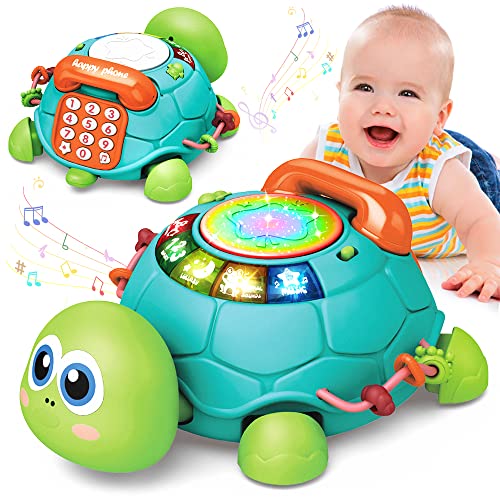

How to Use or Choose Toys for 11-Month-Olds Effectively
Tips for Choosing Best Toys for 11-Month-Olds
- Match toys to your baby’s developmental stage (e.g., stacking toys for motor skills).
- Ensure safety by selecting non-toxic, age-appropriate designs.
- Prioritize simple, open-ended toys to avoid overstimulation.
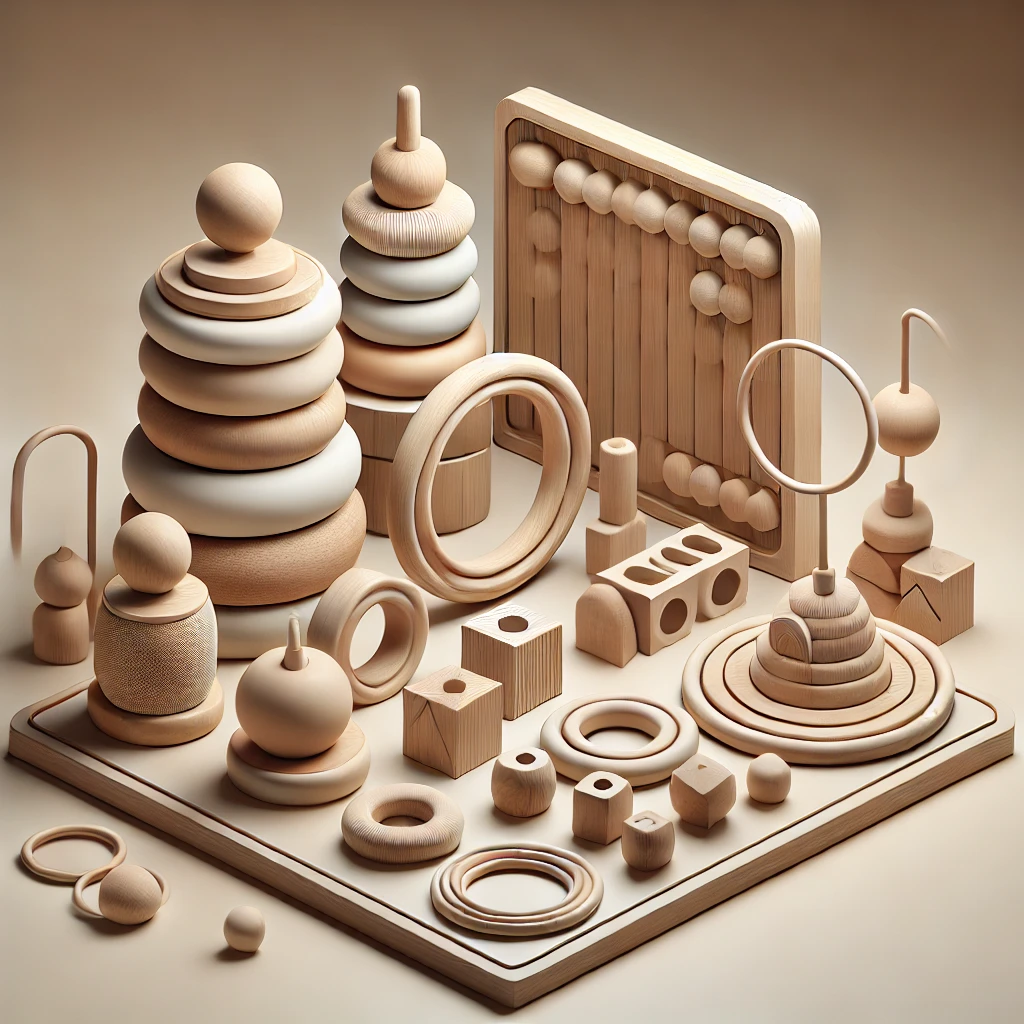
Mistakes to Avoid
- Choosing toys that are too advanced or too basic.
- Overloading your baby with too many options at once.
Tips for Parents Buying Best Toys for 11-Month-Olds
- Observe Your Baby’s Interests: Select toys that match your child’s existing interests either in making music or construction.
- Focus on Quality: Invest in durable, well-crafted toys that will last.
- Montessori Toys Promote Independence:Parents should pick toys which stimulate their child’s curiosity such as puzzles and pull toys.
- Engage During Playtime: Use toys to connect with your baby and create calming, bonding experiences.
- Keep It Balanced: Avoid overloading your baby with toys—sometimes less is more for focused learning.
Conclusion
Investing in age-appropriate Best Toys for 11-Month-Olds is a great way to support their milestones, while making playtime engaging and meaningful. From Montessori-inspired options like nesting cups to traditional favourites like stacking rings, these toys encourage independence, focus, and skill-building. Explore these options today and give your baby the tools to thrive!